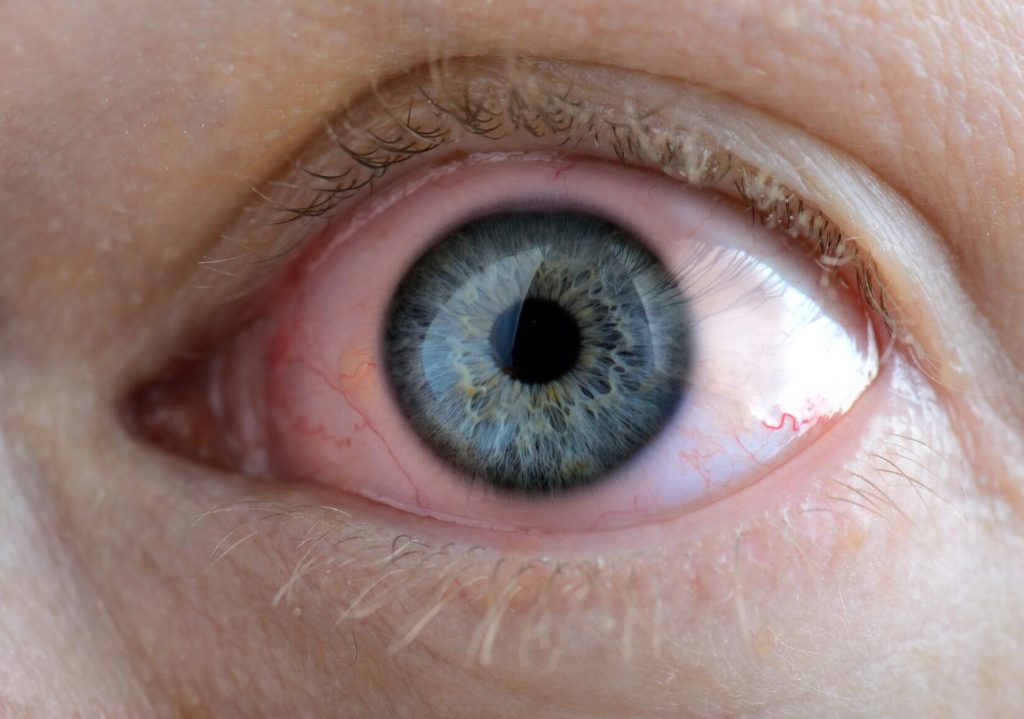


Tears normally drain from the eye through small openings at the corners of the upper and lower eyelids (puncta), into the tear ducts, and from there into the nose. Any blockage at any level of this drainage system can cause tears to accumulate on the surface of the eye, resulting in excessive tearing.
Approximately 6% of newborns have nasolacrimal duct obstruction, and the majority of these cases resolve spontaneously within the first year of life. The blockage can occur anywhere along the nasolacrimal system, starting from the upper or lower puncta at the eyelid margin and extending to the inferior meatus of the nose. The main symptom in these patients is epiphora (excessive tearing), which appears shortly after birth or within a few weeks, sometimes accompanied by discharge.
In infants with nasolacrimal duct obstruction, nasolacrimal duct massage can help increase pressure within the sac and overcome the blockage. If there is no improvement, a probing procedure should be performed by an ophthalmologist between 12–24 months to open the nasolacrimal system. In cases where probing is unsuccessful, repeated probing, silicone tube placement, or balloon catheterization may be required.