


Strabismus is a condition in which the visual axes of the two eyes are not parallel in any direction of gaze. It is one of the most common eye problems in children. Early diagnosis of strabismus, identification of any underlying conditions, and initiation of appropriate treatment are important to ensure binocular vision and prevent the development of amblyopia (lazy eye).
In the neonatal period, outward deviation of the eyes may be observed because myelination and retinal development are not yet complete. By 2–3 months of age, the visual axes should become parallel, and coordinated eye movements between both eyes should be established. Therefore, the most accurate strabismus examination can be performed after 3 months of age.
In newborns, the eyes may appear to turn inward due to a flat nasal bridge and epicanthal folds. A significant difference between the geometric axis of the eye and the visual axis can also give the impression of strabismus. These pseudo-strabismus cases should be distinguished from true strabismus by examination and cover testing, which demonstrates the absence of actual eye deviation.
Strabismus that develops within the first year of life is called infantile strabismus, most commonly esotropia (inward turning of the eyes). In modern practice, for patients with large-angle, constant infantile esotropia without significant hyperopia, it is recommended to achieve parallel visual axes through surgical treatment within the first 18 months to allow the development of binocular vision. Studies have shown that early surgery in the first 18 months results in better depth perception, although the rate of repeat surgeries may be higher.
Infantile constant exotropia (outward turning) is rare. These patients should be evaluated for associated ocular diseases, systemic conditions, and neurological problems.
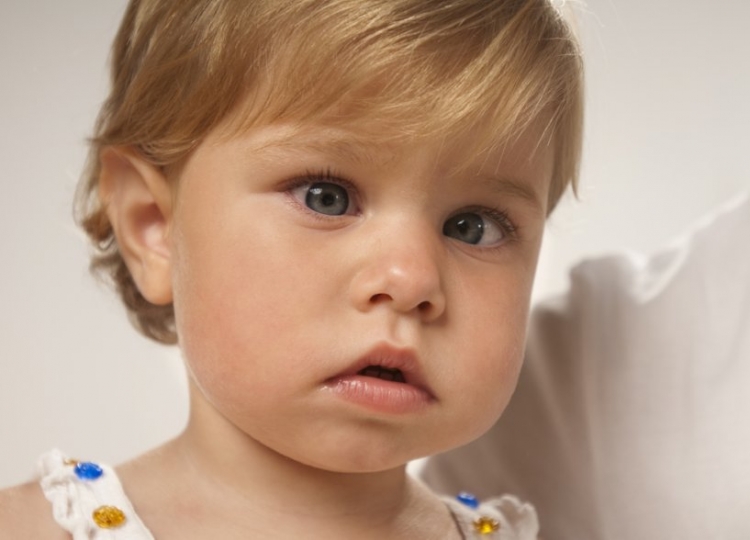
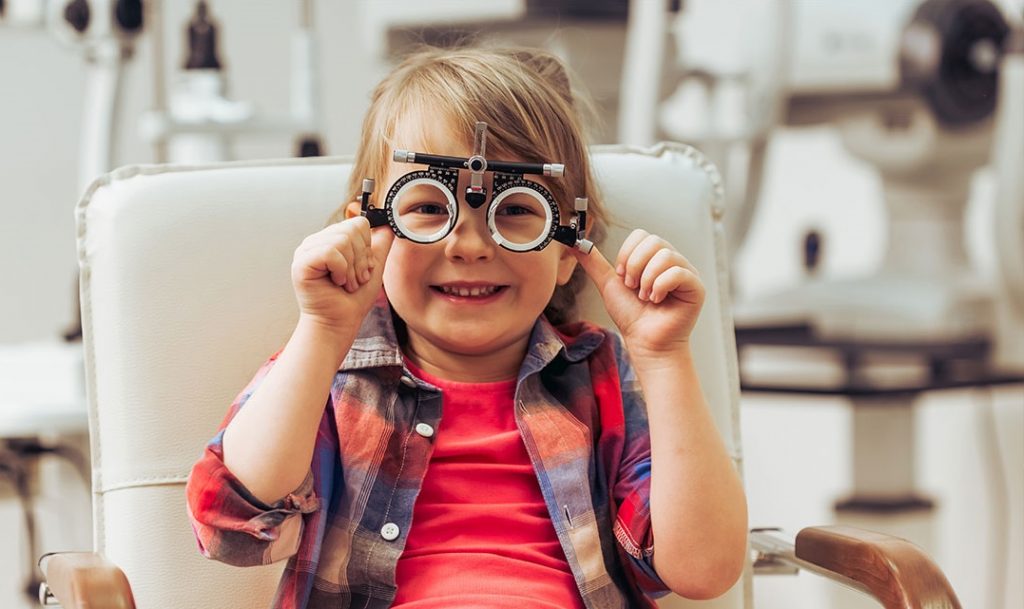
In children, esotropia (inward turning of the eyes) outside the neonatal period usually appears between 1–3 years of age. In cases of esotropia, refractive errors should be assessed with cycloplegic (eye drop) examination, and the full amount of hyperopia measured under cycloplegia should be corrected with glasses. If the deviation does not fully resolve with glasses, surgical treatment is necessary.
Intermittent exotropia (outward turning of the eyes) is the second most common type of strabismus in children. It is particularly noticeable when the child is tired, febrile, in sunny conditions, or in bright light. If the deviation angle is large, the frequency is high, or binocular vision is at risk, treatment should be initiated.